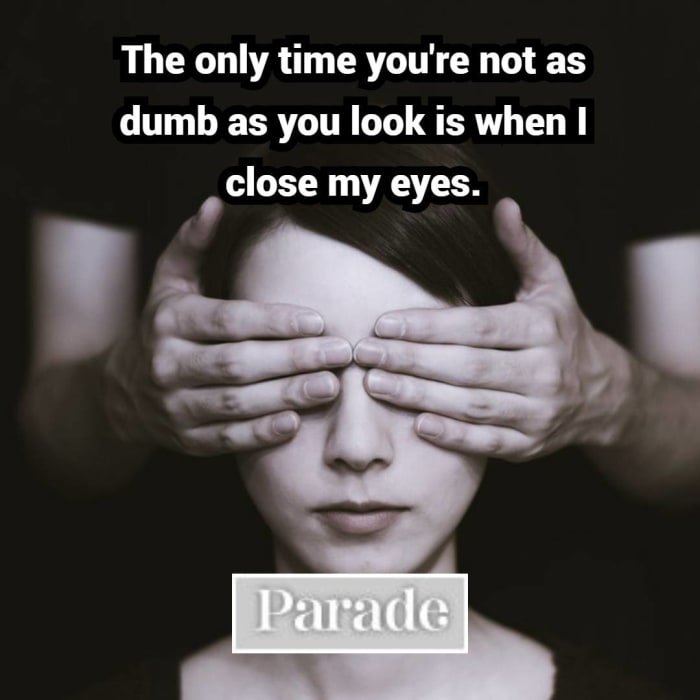
The ability to land a humorous insult isn't just about being funny; it's an art form, a subtle dance between wit and charm that, when executed well, can strengthen bonds, lighten a tense moment, or simply bring a burst of laughter. It’s about understanding the nuances of communication, the delicate balance of intent, and the distinct types of humorous insults and their style that make all the difference.
Forget crude put-downs; we're talking about the playful jab, the clever retort, the observation so spot-on it elicits a chuckle instead of a gasp. This guide dives deep into the anatomy of such remarks, helping you appreciate the craft and, perhaps, even hone your own.
At a Glance: The Humorous Insult Playbook
- It's a Social Tool: Humorous insults can build camaraderie, lighten moods, and even serve as playful warnings.
- Intent is Key: The line between funny and mean is crossed when the intent shifts from playful to genuinely hurtful.
- Style Varies Widely: From the intellectual wordplay to the exaggerated jab, understanding the style helps you wield it effectively.
- Context Matters: What works for a best friend won't fly with a stranger or a superior.
- Practice Makes Perfect: Like any social skill, mastering humorous insults requires observation and practice.
Beyond the Burn: Why Humorous Insults Matter
We’ve all been there: a moment of tension, a shared frustration, or just the need to poke fun. A perfectly timed, genuinely funny insult can cut through the noise, reminding everyone not to take things too seriously. It's a testament to the power of humor itself, a communication designed to evoke amusement and laughter. From ancient court jesters to modern-day comedians, using wit to playfully diminish (or even exaggerate the flaws of) another has been a consistent thread in human interaction.
But why do we enjoy it? Sometimes, it's the sheer cleverness of the observation. Other times, it's the unexpected twist. It can serve as a friendly comeback, a way to change a subject, or even a subtle defense for a friend. The beauty lies in its constructive potential – it’s meant to strengthen relationships, not strain them.
The Art of the Jest: Understanding Humorous Insult Styles
Not all laughs are created equal, and neither are all humorous insults. Each style carries its own flavor, its own rhythm, and its own unique impact. Let's explore the distinct approaches that turn a mere comment into a memorable, laugh-out-loud moment.
The Cerebral Spark: Witty & Intellectual Jabs
This style is the hallmark of the quick-minded, the wordsmiths who can conjure a brilliant retort seemingly out of thin air. Witty humor is dry, clever, and intellectually engaging, often requiring a moment of thought to fully appreciate the genius. When used for insults, it pokes fun with precision, relying on intelligence rather than crudeness. It can also bleed into highbrow humor, which leverages complex topics, history, or literature, demanding a certain level of knowledge from both the speaker and the recipient. Epigrammatic humor adds a layer of paradox and irony, making the insult a sharp, thought-provoking statement.
How it works as an insult: These insults often highlight perceived intellectual shortcomings or flaws in logic, but in a way that's so elegantly phrased, it's hard to be truly offended. They often imply a superior understanding by the speaker, delivered subtly.
Examples in action:
- "If you ever had a thought, it would die of loneliness." (Directly questions intelligence with witty exaggeration.)
- "My days of not taking you seriously have come to a middle." (A dry, clever way to state someone isn't worth engagement.)
- "I do not have the time or the crayons to explain this to you." (Subtly implies the recipient lacks the capacity to understand simple concepts, delivered with a witty, dismissive air.)
- "I would describe your personality as a vibrant shade of beige." (A witty, subtle jab at blandness, using vivid, ironic description.)
The Straight Face Punch: Deadpan & Ironic Roasts
The deadpan delivery is a powerful tool in humorous insults. It involves delivering a joke or an insult with a completely straight face and a neutral tone, leaving the recipient to ponder if it was a joke at all. This style often requires thought and perception from the listener to truly land. Closely related is ironic humor, characterized by a sharp contrast between what is said and what is actually meant or happening. An ironic insult might state the exact opposite of the truth, leaving the listener to decode the real meaning.
How it works as an insult: The humor here stems from the unexpected lack of emotion or the stark contradiction. It's disarming and often makes the recipient laugh at the sheer audacity or the unexpected twist, even if they're the target.
Examples in action:
- "You are the human equivalent of a participation trophy." (Delivered with a straight face, it's an ironic statement implying minimal effort or worth, despite the "trophy.")
- "Sometimes your knight in shining armor is just a fool in tinfoil." (An ironic, deadpan observation about someone's perceived self-importance versus reality.)
- "Well, aren't you just a ray of sunshine on a cloudy day?" (Said to someone clearly grumpy, the irony highlights their negative disposition.)
The Wordplay Whirl: Puns & Clever Twists
This style revels in the flexibility of language, using words with dual meanings or similar sounds to create a surprising and often groan-inducing laugh. Wordplay and puns rely on double entendres, metaphors, and phonetic trickery to craft insults that are more about linguistic gymnastics than direct attacks. They're often seen as a sign of quick wit, even if they occasionally induce an eye-roll.
How it works as an insult: The insult is embedded in the linguistic trickery. The recipient might initially be confused, then chuckle as the dual meaning or clever twist reveals the jab. It’s light-hearted and often disarms any potential offense with its sheer cleverness.
Examples in action:
- "You’re as useless as the 'ueue' in 'queue.'" (A brilliant piece of wordplay that implies profound uselessness while being linguistically clever.)
- "Are you a parking ticket? ‘Cause you’ve got fine written all over you... but I'm talking about a penalty, not a compliment." (Twisting a common pickup line with a pun.)
- "You must be a really good baker, because you're full of crumby ideas." (Uses a pun to deliver a critique of ideas.)
The Sharp Mirror: Satirical & Observational Digs
Satirical humor pokes fun at human vices, follies, or flaws, often using dry wit to comment on current events, social norms, or individual quirks. It doesn't just point out a flaw; it exaggerates it for comic effect, often with a critical undercurrent. Observational humor, on the other hand, finds comedy in the mundane aspects of everyday life, often subtly criticizing the world or human behavior by simply highlighting what's already there. When combined for insults, these styles hold up a mirror, distorting reality just enough to make us laugh at its absurdity.
How it works as an insult: These insults aren't personal attacks as much as they are commentary. They highlight a truth about the recipient's behavior or personality that others might recognize, making the humor universal (or at least relatable within a group).
Examples in action:
- "This is why the gene pool needs a lifeguard." (A satirical, observational comment on perceived poor genetic traits or bad decisions, suggesting a need for intervention.)
- "You are the human equivalent of a participation trophy." (A satirical jab at someone's mediocrity, relating it to a common modern societal critique.)
- "I’ve seen salad that dresses better than you." (An observational insult pointing out poor fashion choices, making a relatable comparison.)
- "You’re the reason tubes of toothpaste have instructions on them." (An observational, slightly hyperbolic jab at someone's perceived lack of common sense or inability to do simple tasks.)
The Exaggerated Punch: Hyperbolic Humor
Hyperbolic humor takes exaggeration to its absolute extreme, describing a person's emotional state, a situation, or a characteristic in an over-the-top, unbelievable way. The humor comes from the sheer absurdity and magnitude of the overstatement. When crafting an insult, this means taking a minor flaw or a temporary lapse and blowing it up into epic proportions.
How it works as an insult: The recipient and audience know it's not literally true, which is where the humor lies. It’s funny because it’s so ridiculously overblown, often drawing attention to a small truth in a big way without being genuinely mean-spirited.
Examples in action:
- "You have the charisma of a wet sock." (A hyperbolic statement that exaggerates a lack of charm to an absurd degree, creating a vivid and funny image.)
- "If you ever had a thought, it would die of loneliness." (While also witty, this is a prime example of hyperbolic exaggeration about intelligence.)
- "Your brain is so dry, it creaks when you think." (Clearly an exaggeration, but paints a vivid, humorous picture of intellectual deficiency.)
The Edgy Edge: Dark Humor (Carefully Deployed)
Dark humor treads a fine line, making light of tragic events, sensitive subject matter, or uncomfortable truths. When used as an insult, it can be particularly potent, often serving as a coping mechanism or a way to shock and amuse. It requires extreme care and an intimate understanding of your audience, as it can easily cross into genuinely offensive territory.
How it works as an insult: The insult derives its humor from touching on taboo subjects or grim realities in a way that is unexpected and, in the right context, disarmingly funny. It often highlights someone's perceived misfortune or poor judgment in a darkly comic light.
Examples in action:
- "This is why the gene pool needs a lifeguard." (Can lean into dark humor if implying severe hereditary flaws or disastrous choices, playing on the idea of removing someone from the gene pool.)
- "You're the kind of person who brings a spoon to a knife fight." (A dark humorous insult implying profound ineptitude in a serious situation.)
The Affiliative & Familiar Fire: Inside Joke Insults
Affiliative humor is positive, light-hearted, and inclusive, often fostering cohesion and camaraderie. When this extends to insults, it’s usually in the form of inside jokes or playful teasing among friends or family who share a deep history and understanding. The humor comes from shared context and mutual affection, making the insult a sign of closeness rather than animosity.
How it works as an insult: These insults are highly context-dependent. They reference shared experiences, embarrassing moments, or long-standing quirks known only to the group. The humor isn't in the literal meaning but in the recognition of the shared history and the playful intent.
Examples in action:
- "Remember that time you tried to cook pasta and set off the smoke alarm? That’s your brain on a Tuesday morning." (An insult based on a shared, embarrassing memory.)
- "You’re the reason we had to get a new coffee maker, aren't you?" (A playful accusation rooted in a known habit within a close group.)
- "It’s impossible to underestimate you." (Among close friends, this can be a hilarious, affectionate jab at a friend's consistent underperformance or quirky habits, delivered with a smile.)
The Brutally Honest Mirror: Burlesque & Parodic Insults
Burlesque humor is satirical and relies on exaggeration, often parodying serious subjects or types of people. It can sometimes border on offensive due to its exaggerated nature. Similarly, parodic humor mocks and imitates an original work, person, or type for comic effect. When applied to insults, these styles target someone by exaggerating or imitating their perceived flaws, mannerisms, or characteristics to the point of absurdity.
How it works as an insult: The humor lies in the accurate yet exaggerated mimicry or satirical portrayal of the target. It’s funny because it’s a recognizable, albeit amplified, version of the person or their actions.
Examples in action:
- "Oh, are we doing our impression of a thoughtful person today? Bravo!" (A parodic insult mocking someone's attempt to appear thoughtful when they usually aren't.)
- "You walk into a room like a confused squirrel in a new national park." (A burlesque, exaggerated comparison for someone who seems out of place or awkward.)
Lowbrow & Highbrow Choices
While not a style of insult per se, the lowbrow versus highbrow distinction describes the level of sophistication in the language and references used in an insult.
- Lowbrow insults are crude, profane, and often offensive, though they can still be witty. They lean on simple, visceral language and concepts.
- Example: "You're dumber than a bag of hammers."
- Highbrow insults leverage complex vocabulary, abstract concepts, or cultural references, requiring a certain intellectual capacity to fully grasp.
- Example: "You possess the intellectual fortitude of a garden slug attempting calculus."
The choice between these depends entirely on your audience, the context, and your desired effect. A well-placed lowbrow insult can be disarmingly funny in the right crowd, while a highbrow one can sting with its intellectual precision.
Walking the Line: When a Humorous Insult Goes Wrong
The biggest pitfall in humorous insults is mistaking aggressive humor for playful banter. Article 1 defines aggressive humor as that used to bully or intimidate others, often disguised as teasing. The key differentiator is intent. Is your intent to genuinely hurt, belittle, or demean, or is it to share a laugh, lighten the mood, or express affection playfully?
Common pitfalls to avoid:
- Punching Down: Insulting someone with less power, status, or confidence than you can easily turn mean-spirited. Humorous insults generally work best when punching up or across.
- Misjudging Your Audience: What's hilarious among close friends can be deeply offensive to a stranger or in a professional setting. Understand the social contract of the environment.
- Ignoring Body Language: Even if you think it's funny, if the recipient flinches, looks uncomfortable, or their smile doesn't reach their eyes, you've gone too far. Read the room.
- Repetitive Targeting: Constantly making the same person the butt of jokes, especially about a sensitive topic, transforms humor into bullying.
- Lack of Reciprocity: If you're dishing out insults but can't take one back, you're not engaging in playful banter; you're just being mean.
The goal is to strengthen relationships and bring joy, not to alienate or offend. When in doubt, err on the side of caution.
Crafting Your Own Witty Weapons
So, you want to wield the power of the humorous insult? Here's how to sharpen your wit responsibly and effectively.
- Know Your Audience (and Yourself): This is paramount. Who are you talking to? What's your relationship? What are their boundaries? What are your strengths in humor – are you quick-witted, observational, or good with absurd exaggerations?
- Timing is Everything: A humorous insult landed perfectly can diffuse tension or amplify laughter. One dropped awkwardly can land with a thud. Wait for a natural opening, a moment where a light jab fits the flow of conversation.
- Embrace Specificity (But Not Sensitivity): General insults are weak. Specific, observational comments are stronger. Instead of "You're dumb," try "You're the kind of person who needs instructions on a cereal box." This is more visual, more specific, and funnier. However, avoid specificity on sensitive topics (e.g., appearance flaws, personal tragedies).
- Keep it Playful and Afraid to Look Foolish: The best humorous insults often have an element of self-awareness or a touch of theatricality. If you deliver it with a smirk, a wink, or even a slight exaggeration of your own, it reinforces the playful intent. Don't be afraid to be a little silly.
- Always Offer a Lifeline: If you sense you might have pushed too far, have a quick, genuine follow-up ready: "Just kidding, you know I love you," or "Seriously though, you're awesome." This reaffirms the positive relationship.
- Borrow and Adapt: Pay attention to comedians, witty friends, and even movie dialogue. See how others craft their jokes and adapt the style to your own voice and context. Don't just copy; understand the mechanics.
Common Questions About Humorous Insults
Are humorous insults always okay?
Absolutely not. Humorous insults are a social tool, not a universal permission slip for rudeness. They are generally only acceptable in specific contexts, among people who have an established relationship built on trust and mutual respect, and where the intent is clearly playful. In professional settings, with strangers, or with anyone you suspect might be genuinely hurt, it’s best to avoid them entirely.
How do I tell if someone is genuinely offended?
Look for non-verbal cues: a sudden shift in body language, a forced smile, averted eyes, or a tightening of the jaw. If they become quiet, defensive, or simply don't laugh, you’ve likely missed the mark. Sometimes, they might even explicitly tell you. Always respect these signals, apologize sincerely, and adjust your humor accordingly in the future.
Can I use self-deprecating humor as an insult?
Self-defeating (or self-deprecating) humor primarily involves degrading oneself, often as an icebreaker or to show humility. While it's not an insult to others, it can be used strategically. For instance, you might use self-deprecating humor to lower your own guard, which then makes a playful jab at a friend seem less aggressive. It shows you don't take yourself too seriously, setting a relaxed tone for banter.
Mastering the Playful Jab: Your Next Steps
The world of humorous insults is rich with possibilities, offering a chance to inject laughter and strengthen connections through clever communication. From the sharp wit of a satirical remark to the endearing nudge of an inside joke, understanding these styles allows you to appreciate the nuance and, perhaps, even craft your own.
Remember, the goal is always connection, not destruction. With careful observation, genuine intent, and a dash of daring, you can master the art of the humorous insult. If you're looking for inspiration or just want to playfully test out some new lines, why not try our insult generator and see what witty mischief you can create? Go forth, and may your jabs always land with a smile.